Vanilla Comfort Medium Roast Coffee
A soft, sweet escape in every sip.
Each pack contains 7 servings of coffee.
- Flavour notes: Vanilla
- Roast profile: Medium roast
- Ingredients: 100% Arabica coffee beans from Ethiopia & Colombia, vanilla flavour
- Grind size: Medium grind
- Caffeine content: Regular
Pick Quantity:
KNDZ COFFEE is handcrafted in micro-batches using high-quality specialty-grade beans grown in the mountains of Ethiopia and Colombia, where the cooler climate helps develop a rich and balanced taste.
Each batch is roasted by our Certified Q Grader coffee expert, using an artisanal technique that highlights both our natural infusions and the coffee’s true character.
A Roast Month is included on every package so you know when we roasted and packed your coffee fresh!
This product does not contain milk or nuts; however, it is produced in a facility that handles milk and nut ingredients.
All flavours are naturally derived from real food ingredients.
Why You'll Love Making It!
- Easy to Make
- Most Affordable Setup
- Make it Anywhere
- Quick Cleanup
- Perfectly Measured
- HOMEMADE BARISTA FUN 🥳
How to Brew the Best Cup of KNDZ COFFEE (long version)
TL;DR: Open, Place, Pour, Enjoy!
You will need:
-
1 KNDZ COFFEE drip bag
-
1 tall mug
-
hot water
-
a kettle with a narrow spout for slower pouring
Exact steps:
-
Start boiling water.
-
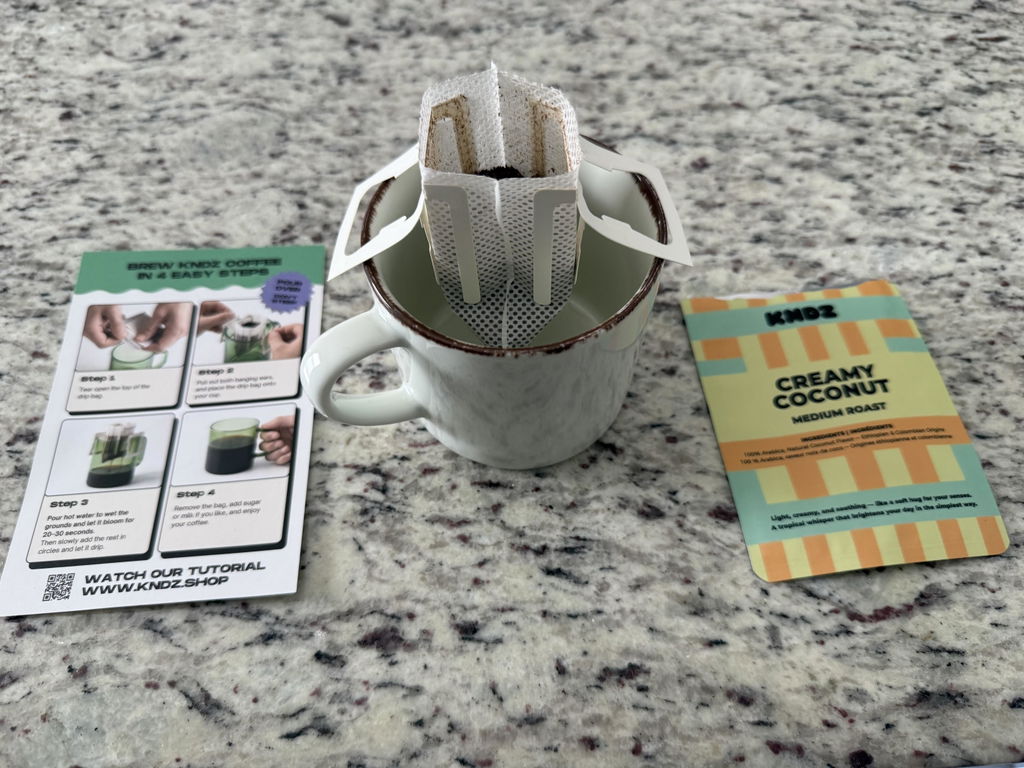
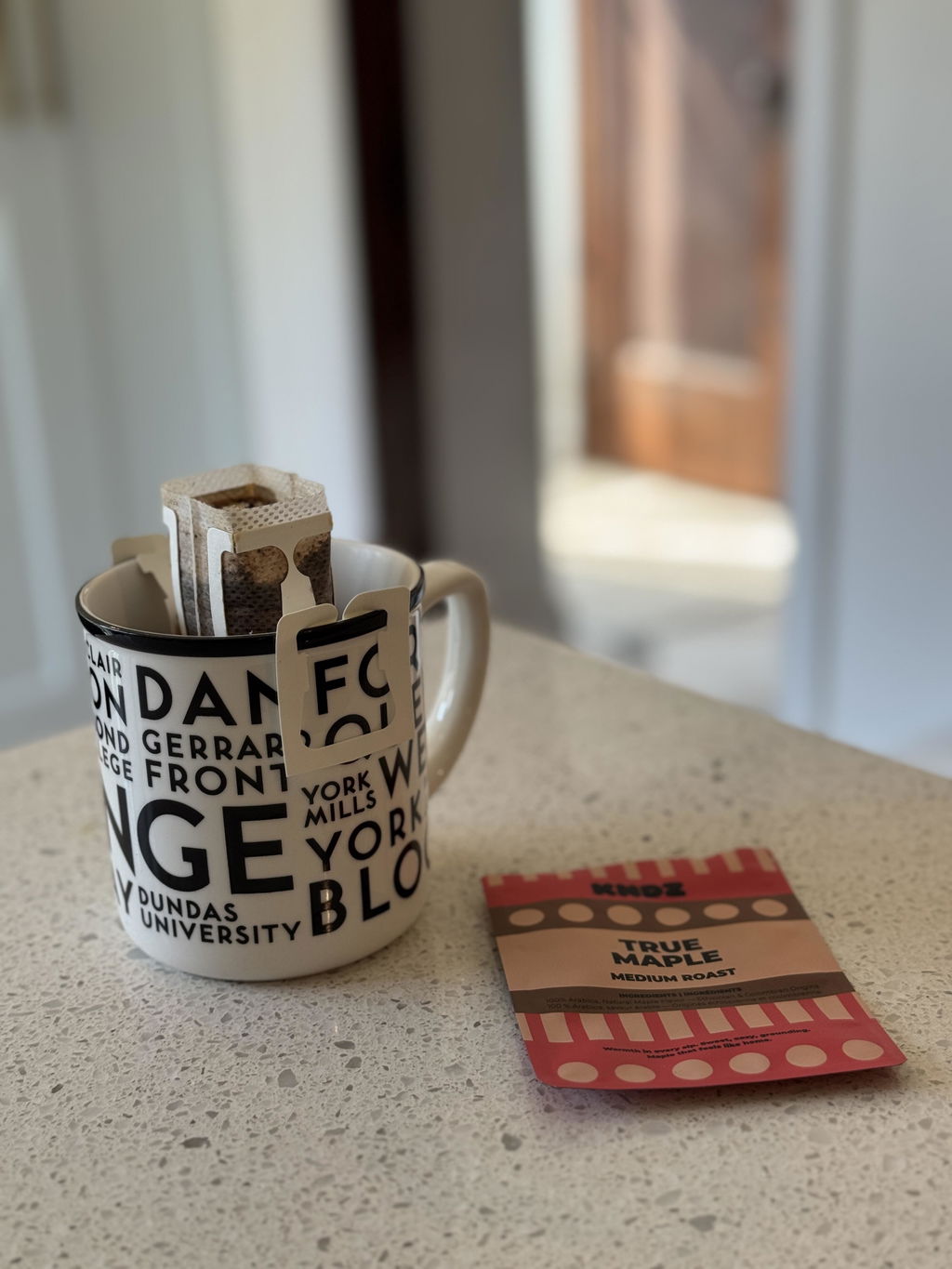
Gently tear open the top of the drip bag.
-
Pull out the side arms.
-
Hang the bag using both side arms on your mug.
-
Wait 30 seconds after the water boils.
-
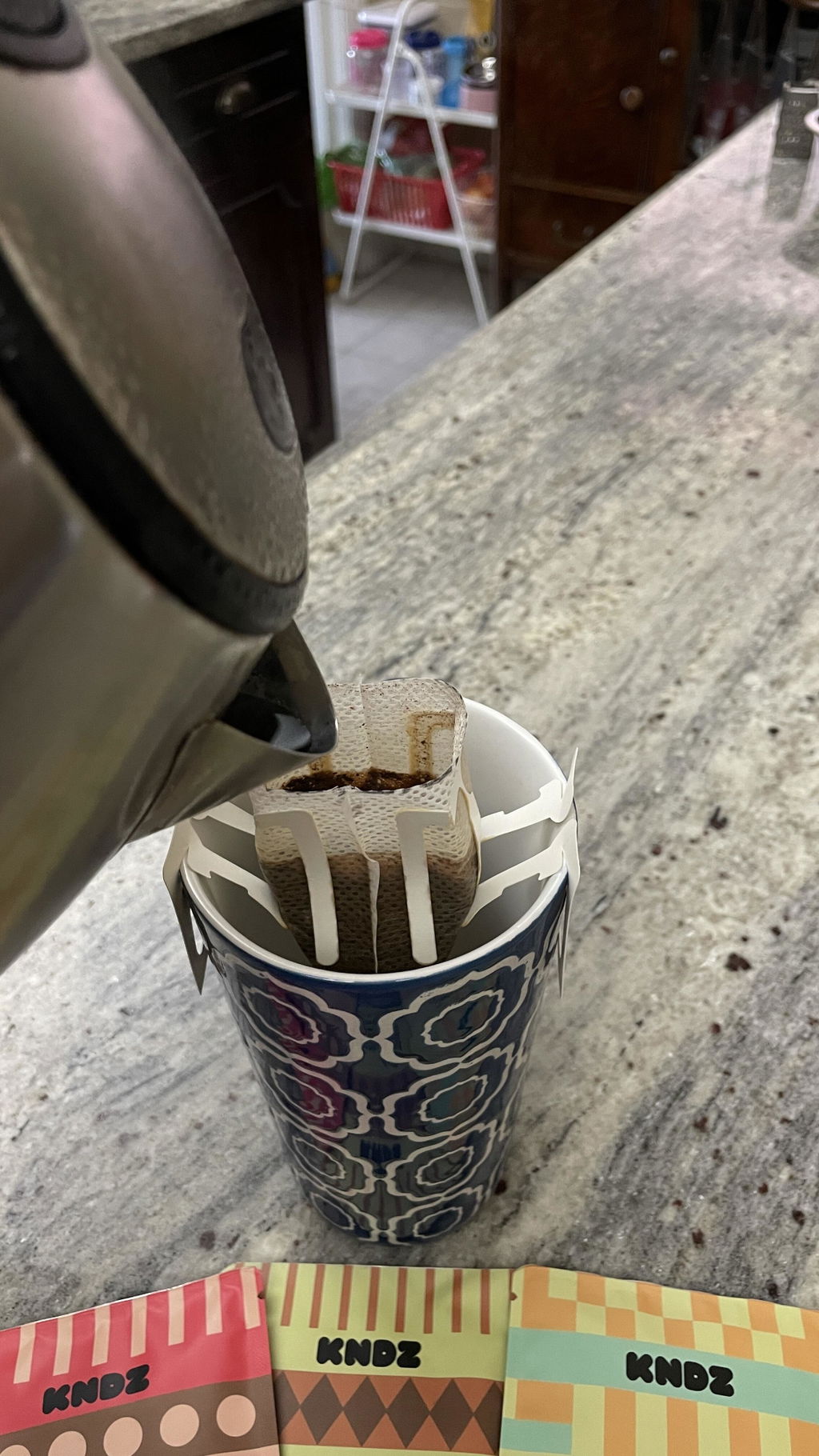
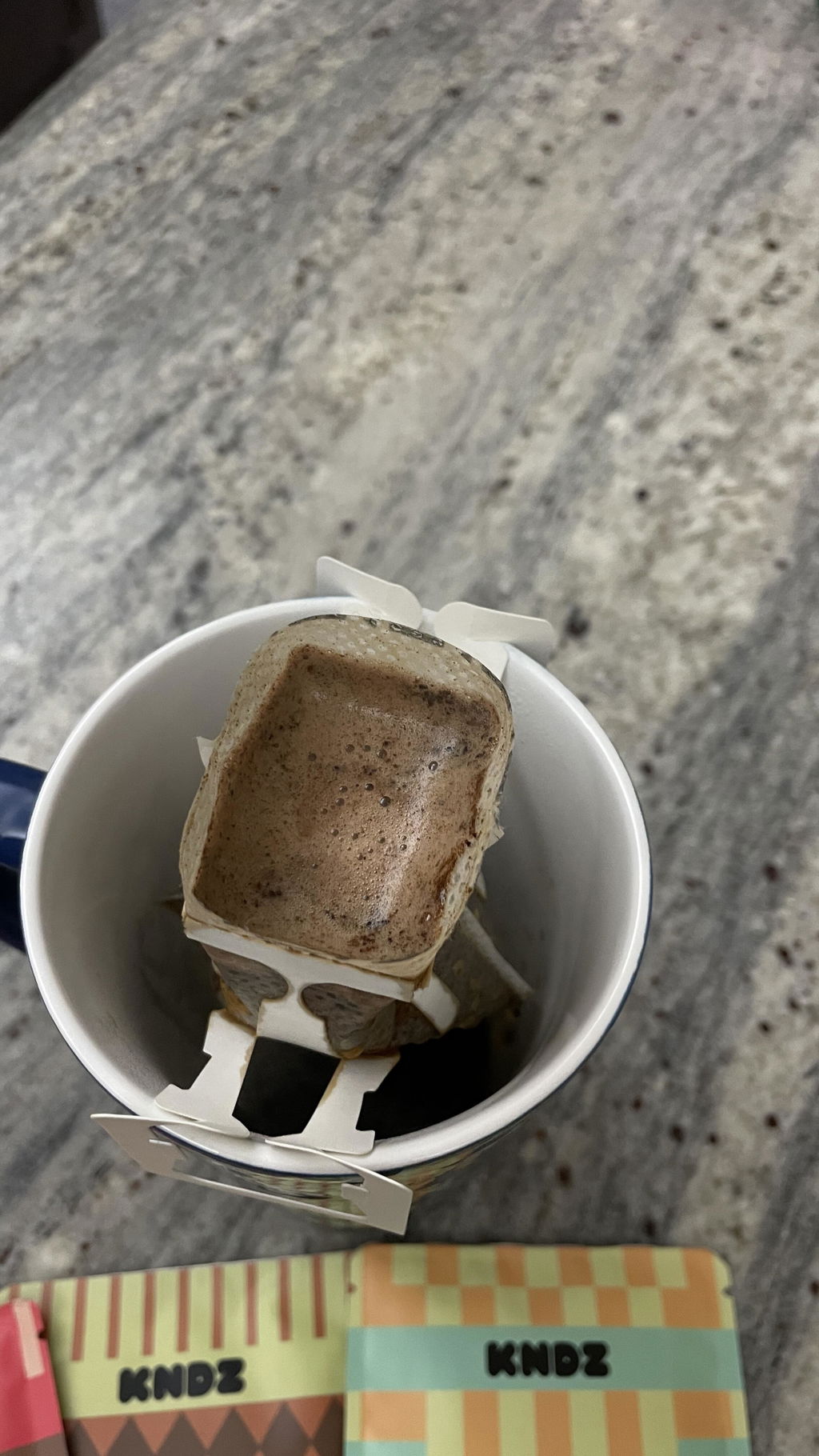
Pour 30 ml/1 oz/2 tbsp of water to wet all the coffee.
-
Wait 30 seconds.
-
Pour 170 ml/6 oz/0.7 cups of water slowly in small circles over the coffee.
-
Wait until dripping stops.
-
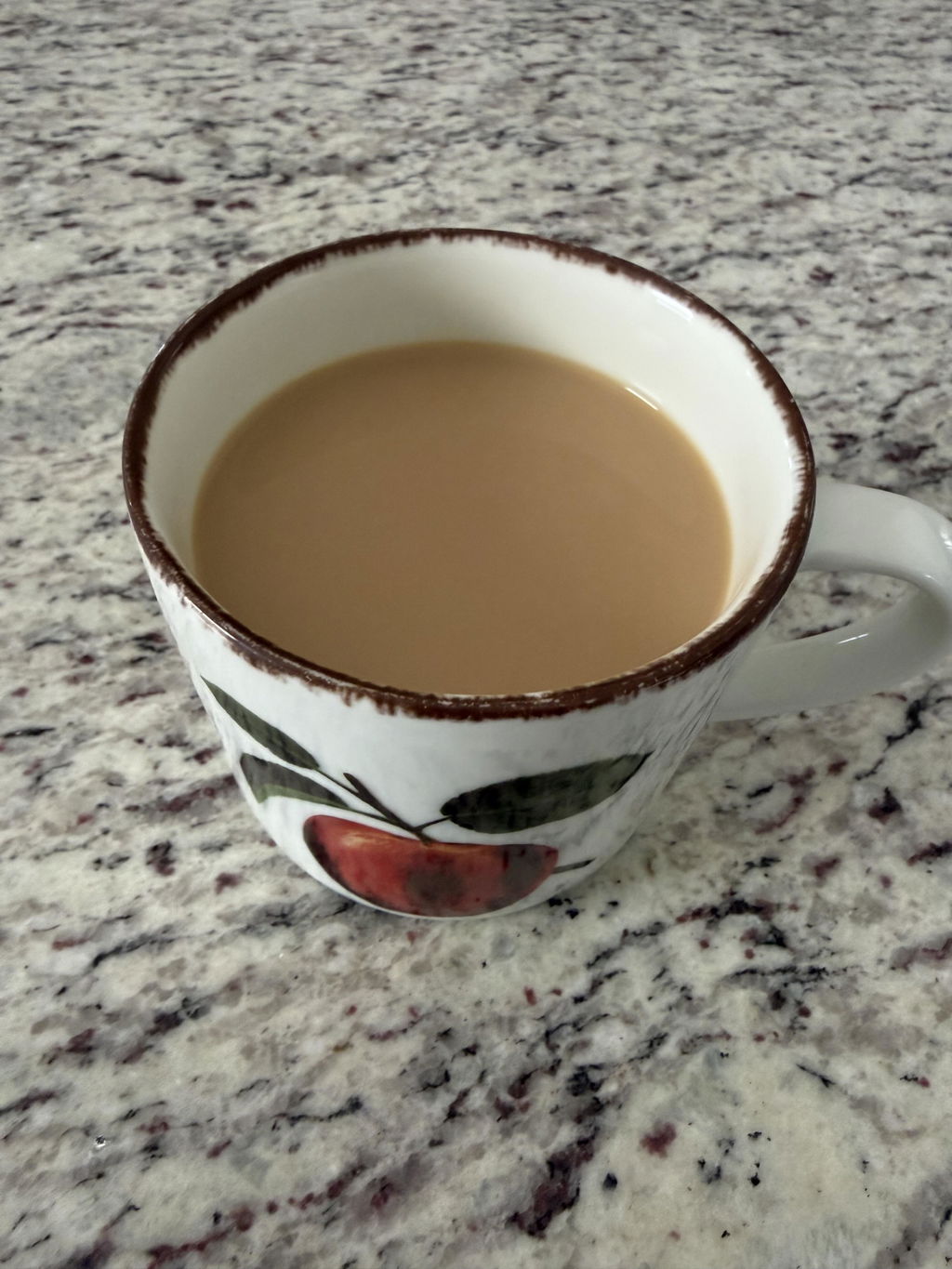
Remove by pinching the top of the bag and add extra ingredients if you like. (e.g. milk, sugar)
-
Drink and enjoy!
Note: Do not steep. It's not the end of the world if you do though.
Tip: If you like a stronger coffee, add less water.
Frequently Asked Questions
1. Why isn’t KNDZ COFFEE Fair Trade or Organic?
Certification for Organic and Fair Trade is expensive and often out of reach for small specialty farms. Many farmers already use sustainable practices but can’t afford the years of paperwork, audits, and annual fees required for certification.
In specialty coffee, direct trade is preferred. Farmers are paid well above Fair Trade prices (often more than double) through transparent, long-term relationships that focus on quality and traceability, not labels.
Fair Trade was designed for commodity coffee, while specialty coffee prioritizes flavour (80+ cupping scores) and ethical pricing. Organic certification also doesn’t guarantee better quality or health benefits and is often more about marketing.
We pay farmers more than Fair Trade standards, so a certification stamp isn’t necessary.
2. How do you define specialty?
Not only do the beans need to be specialty grade (above 80 points on a 100-point scale), but the roasting process must also follow strict specialty standards. Many coffee brands purchase specialty beans, yet their roasting and brewing methods do not consistently meet true specialty-grade standards.
3. Why is specialty coffee more expensive?
Specialty coffee is carefully handled at every step. Many beans are dried by hand on raised beds, a process that’s labour-intensive and requires more space and time. This extra care helps preserve flavour and quality, which is why specialty coffee costs more than commercial-grade coffee.
4. Is your coffee single origin? Why not?
Our coffee is intentionally blended using Ethiopian and Colombian beans, not single origin.
Blending allows us to combine the strengths of both origins. Ethiopia’s bright, fruity notes and Colombia’s balanced body and sweetness are combined to create a smooth, everyday cup that’s not too bitter and not too sour.
It also helps us maintain flavour consistency. If one batch varies, we can adjust the blend to keep the taste familiar. With single origin coffee, any issue from one farm could dramatically change the flavour.
5. Why Ethiopian and Colombian coffee?
Ethiopia and Colombia are two of the most established coffee-producing countries, known for their mature farming practices and consistent quality.
-
Ethiopian coffee is known for bright, fruity, and floral notes
-
Colombian coffee is known for balance, sweetness, and body
Blending the two creates a smooth, well-rounded cup that’s flavourful and easy to drink every day.
6. What is a Q Grader, and why does it matter?
A Q Grader is a certified coffee expert trained to evaluate quality and flavour. Our blends were developed with one to ensure every cup meets specialty-grade standards.
7. What are your drip bags made of? Do they release microplastics?
No.
Our drip filter bags are made from high-temperature-resistant non-woven fabric that does not release microplastics, as confirmed by our supplier.
-
Made from PP and PET materials
-
Imported from Japan
-
Certified and licensed for food use
-
Bonded without glue or chemicals
-
Not biodegradable, but recyclable
8. How do I dispose of the drip bag?
The drip bag is fully recyclable. After brewing, follow the steps below:
-
Shake or scrape out as much of the used coffee grounds as possible and place them in your compost.
-
Let the bag dry briefly to help reduce moisture and odour.
-
Once emptied, place the drip bag in your recycling bin or regular household garbage.
Waste guidelines may vary by municipality, so be sure to follow your local recycling and disposal rules.
We like to reuse the coffee grounds:
-
Compost them in our garden soil
-
Put them in our fridge as a deodorizer
-
Rub them our fingers to remove garlic and onion smells
9. What natural flavour do you use?
When we say “infused with natural flavour,” it means we add natural flavouring derived from real sources (such as vanilla extracts and other plant-based flavour compounds) to enhance the aroma and taste of the coffee.
It’s similar to how brands like sparkling water companies add natural fruit flavours to create a consistent and pleasant taste. The flavour is not made from artificial chemicals, but from naturally derived flavour compounds.
This approach helps us create a balanced, smooth, and consistent coffee experience in every cup, while keeping the flavour approachable and enjoyable. It’s a great option for people who love the taste of coffee but prefer something a little smoother, milder, and more aromatic.
10. Do you test your coffee for mold or toxins?
Coffee is actually considered a very low-risk product when it comes to mold and toxins, especially when proper sourcing and roasting standards are followed.
At KNDZ, our beans are carefully inspected and graded before roasting. We work with a trained Q-grader who evaluates the green beans and removes any defective beans before they ever reach the roasting stage. This is a standard quality control practice in specialty coffee.
After roasting, the coffee is stored and packaged using food-grade processes to ensure freshness and quality all the way to your cup.
Because we work with specialty-grade beans and professional quality grading, we’re confident in the quality and safety of the coffee we serve.
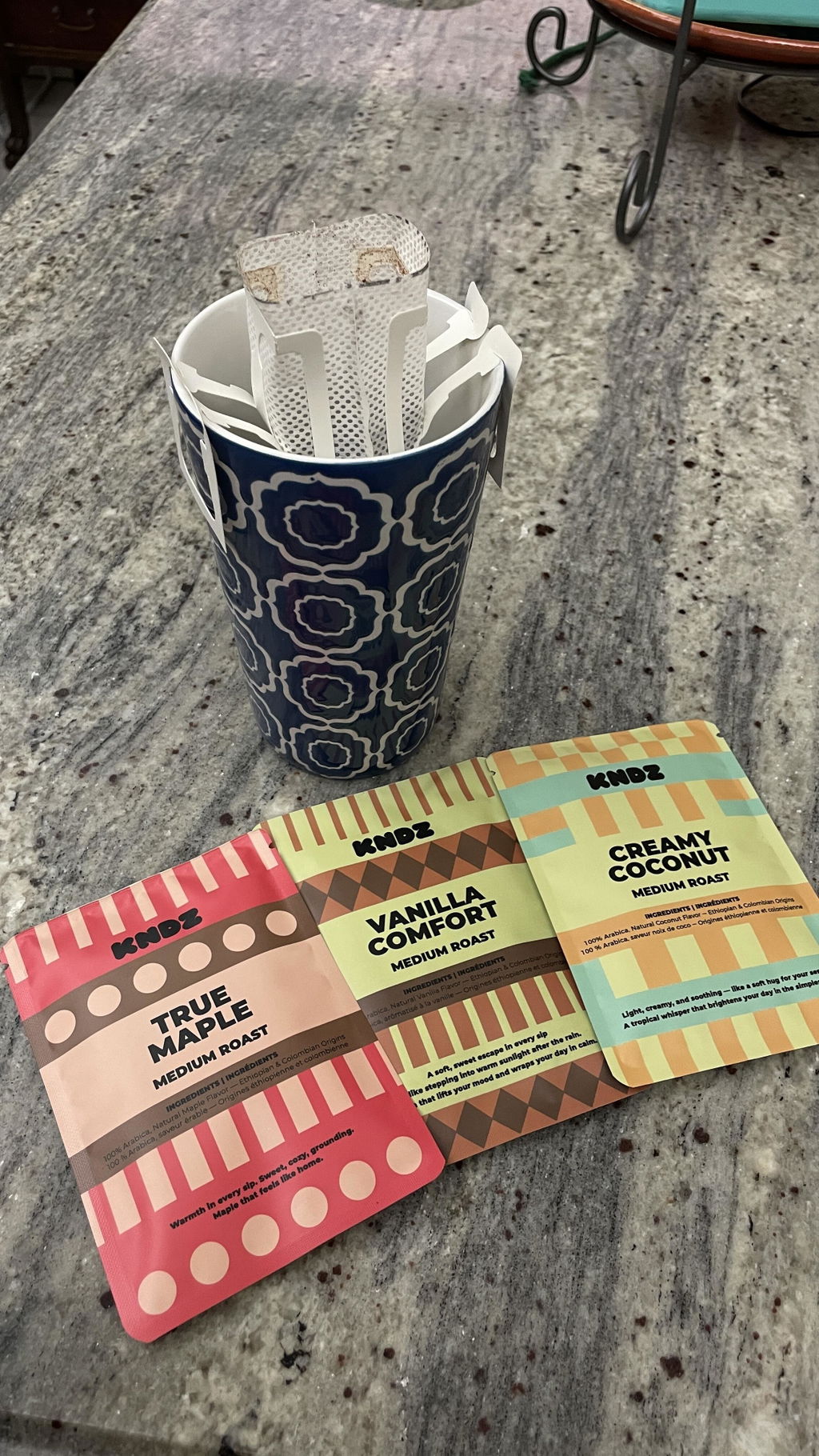
11. How can I make the perfect cup of KNDZ COFFEE?
Check out our longer guide here: How to Brew KNDZ COFFEE